
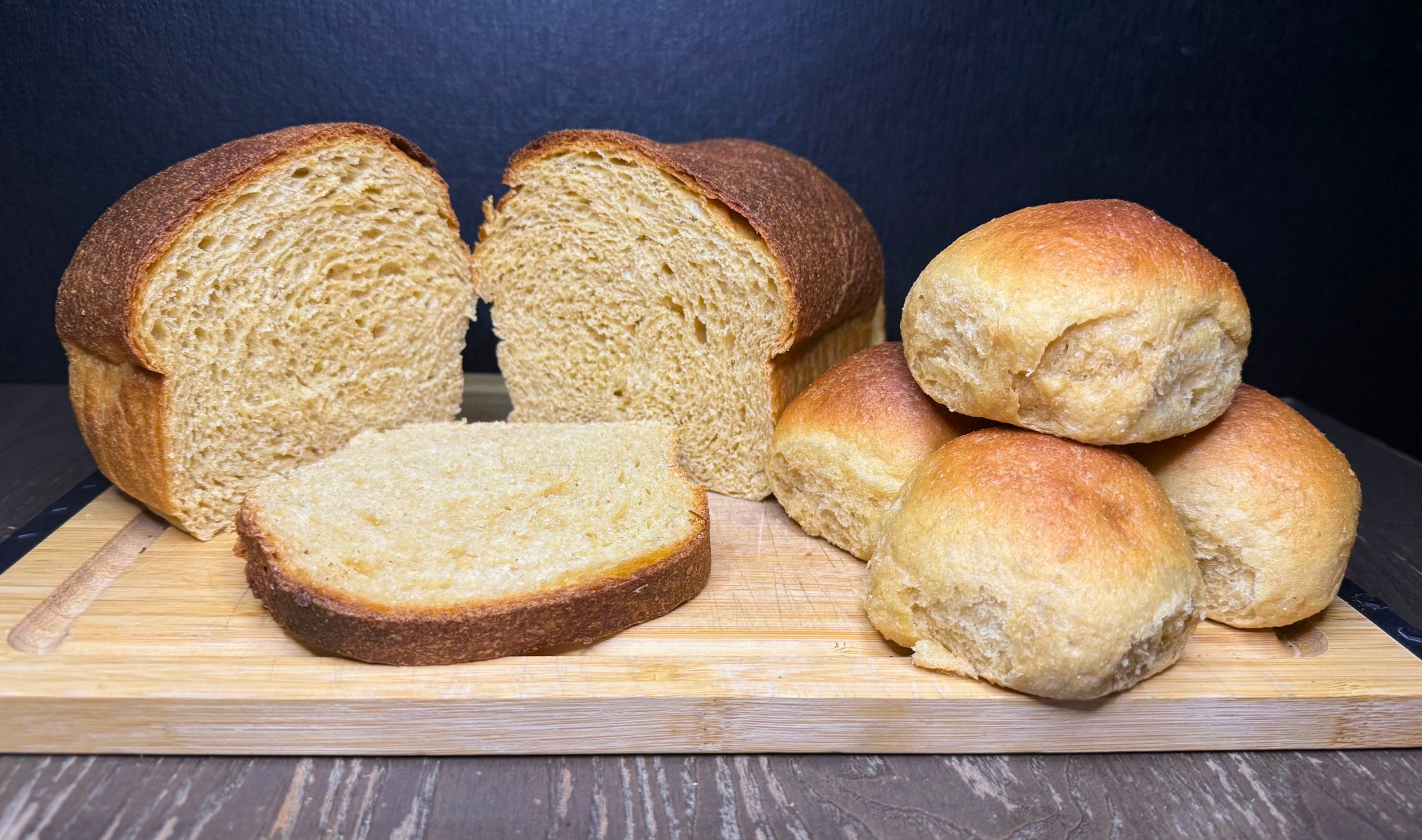
Fresh Milled Flour Brioche Bread With The Tangzhong Method
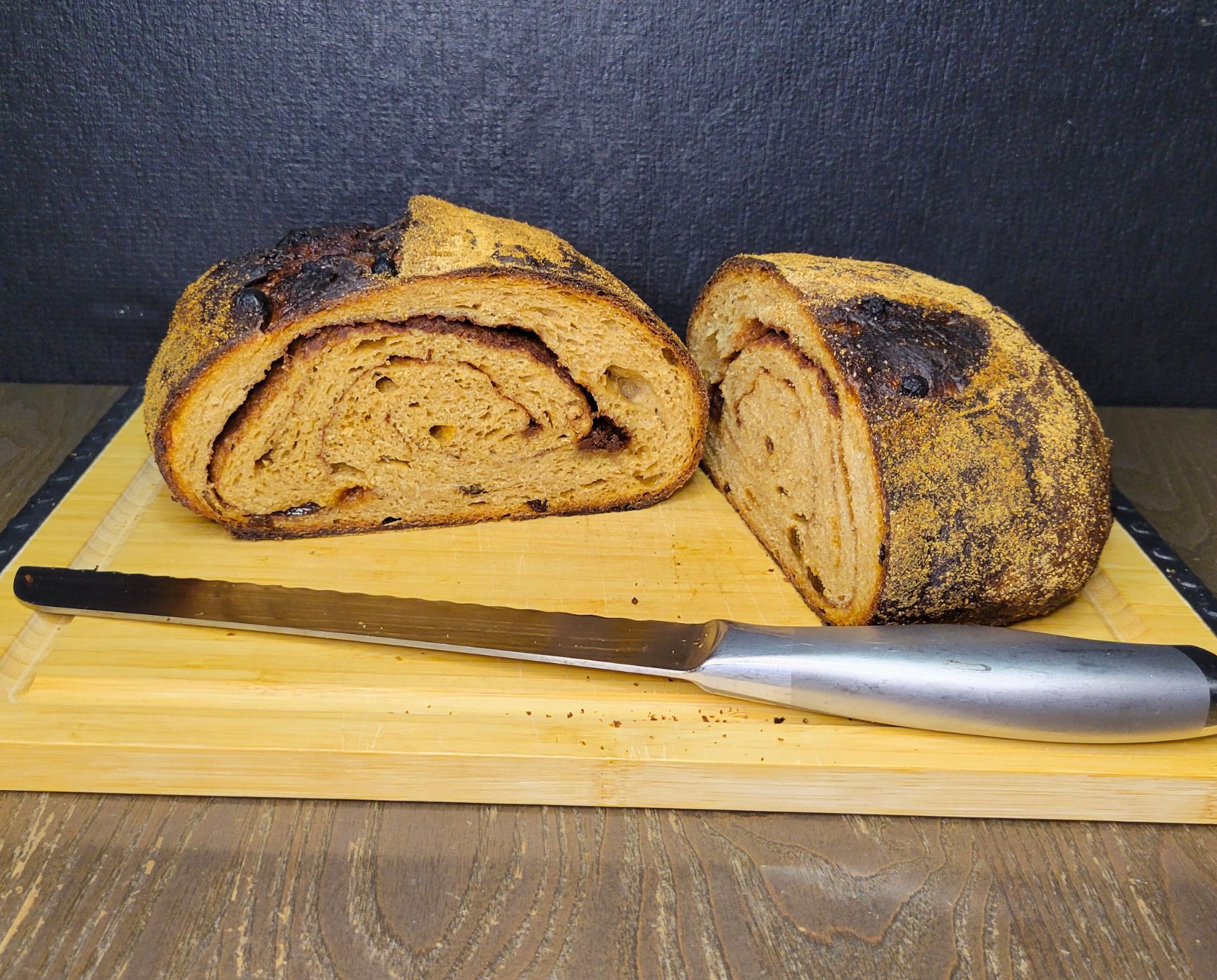
This Fresh Milled Flour Brioche Bread Made With The Tangzhong Method has quickly become my family’s FAVORITE bread dough for everything! It makes the most delicious, heavenly rolls, buns, and bread! This dough is also perfect to use for cinnamon rolls as well.

I adapted my Tangzhong Sandwich bread recipe to get this recipe. If you want that regular sandwich bread instead of this Brioche, you can find that recipe HERE.
More Ways to Use This Fresh Milled Flour Tangzhong Brioche Dough
This Fresh Milled Flour Tangzhong brioche dough is one of those recipes that earns a permanent place in my kitchen. Its soft, enriched crumb makes it incredibly flexible, meaning you can shape it far beyond a simple loaf. Once you make this dough, you’ll find yourself reaching for it again and again for all kinds of bakes, including:
- Soft dinner rolls – pillowy and perfect for holidays or everyday meals.
- Burger or sandwich buns – sturdy enough to hold fillings, yet tender with every bite.
- Cinnamon rolls or sweet rolls – rich, fluffy, and ideal for swirls and fillings.
- Pull-apart bread – great for sharing, whether sweet or savory. HERE is my instructions for a garlic and cheese loaf. Also, I have a sweet option- monkey bread recipe HERE you can use the instructions for this dough.
- Brioche-style hot dog buns – way better than store-bought in both texture and flavor.
- Savory herb rolls – add garlic, herbs, or cheese for a dinner-table favorite.
- French toast bread – baked specifically to slice thick for making French Toast.
This dough truly adapts to whatever you need, making it a reliable, go-to base for everyday baking, working for both sweet or savory ideas.
Ingredients To Make Fresh Milled Flour Brioche With The Tangzhong Method
- 6&1/8 cup fresh milled flour, divided 735g (Hard wheat for this. I use 615g hard white wheat and 120g of Kamut.) *See notes for alternatives
- 1 cup milk 250g (can sub for water if needed)
- 2/3 cup water 160g
- 8 TBSP softened butter, unsalted 113g (1 stick)
- 4 TBSP Honey 84g (can sub for sugar)
- 2&1/2 tsp sea salt (If using salted butter, decrease to 2&1/4 tsp salt)
- 4 eggs 200g
- 1 TBSP lemon juice 15g
- 4 tsp instant yeast (Use 4&1/2 tsp if using active dry yeast)
Instructions To Make Fresh Milled Flour Brioche With The Tangzhong Method
Make The Tangzhong Paste
- Firstly, mill the flour. I mill 735g total of wheat berries to get my fresh milled flour. But, this flour will be used in two different places in the recipe.
- So, let’s use part of the flour to make the paste.
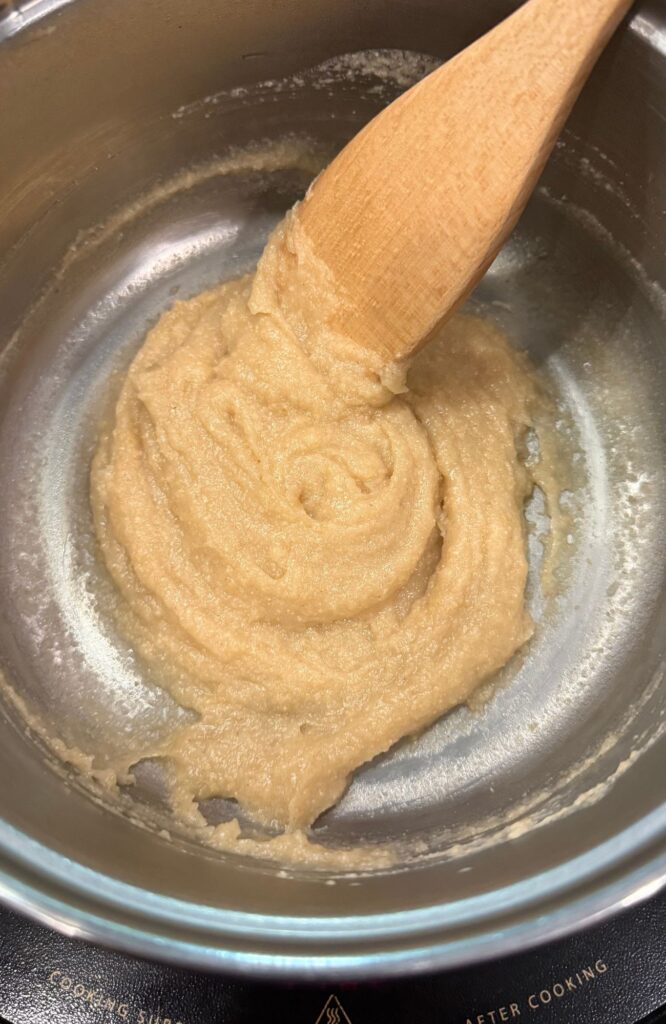
- Put 1/2 cup of fresh milled flour (60g) and 1 cup milk (250g) into a sauce pan, stir to combine.
- Heat this mixture on medium-high heat until it forms a paste. This should only take about 3-5 minutes. Once it forms a paste, remove from the heat, and allow it to cool at room temperature.
- I like to add the butter to the paste to softened the butter, and also to help the paste to cool down a bit quicker.
Make The Dough
- While that mixture is cooling, put the water, honey, salt, eggs, and lemon juice into your mixer. (If you don’t have lemon juice, you can sub for vinegar. This helps the loaf to last on the counter a bit longer, and softens the loaf as well.)
- Mix these ingredients to incorporate. Then add in the paste mixture with butter after it has cooled a bit.
- Then, add the remaining flour into the mixing bowl, and mix to combine until no flour is left. Cover, and let this mixture sit for about 15 minutes. This is the autolyse period and it allows the fresh milled flour to absorb the liquid and the bran to soften. Because the yeast is not in the mixture yet, you can do this autolyse period for longer if you prefer.
- After the autloyse period, then put in the yeast, and mix to incorporate.
- Once the yeast is added, Start the kneading process. Make sure not to knead the dough with the cover on your mixer, this will overheat your dough, and cause it to break down.
- Knead until the dough is nice and stretchy. Typically, 6-8 minutes in a Bosch style mixer, 16-20 minutes in an Ankarsrum style mixer, or 25-30 minutes in a Kitchen aid mixer (allow extra time for a Kitchen Aid style mixer to have breaks in between kneading to prevent overheating of the mixer.) These kneading times will vary for everyone, this is just the most common times for these style of mixers.
- Once the dough is nice and stretchy, and doesn’t easily tear. Then, cover and allow it to rise until double. This can take somewhere between 1-2 hours. (Instant yeast or warmer rooms will be closer to 1 hour. Active dry yeast or cooler rooms will be closer to 2 hours.)
- While the dough is rising, prepare your bread pans with parchment paper, or grease them with softened butter.
Shape & Bake The Loaves
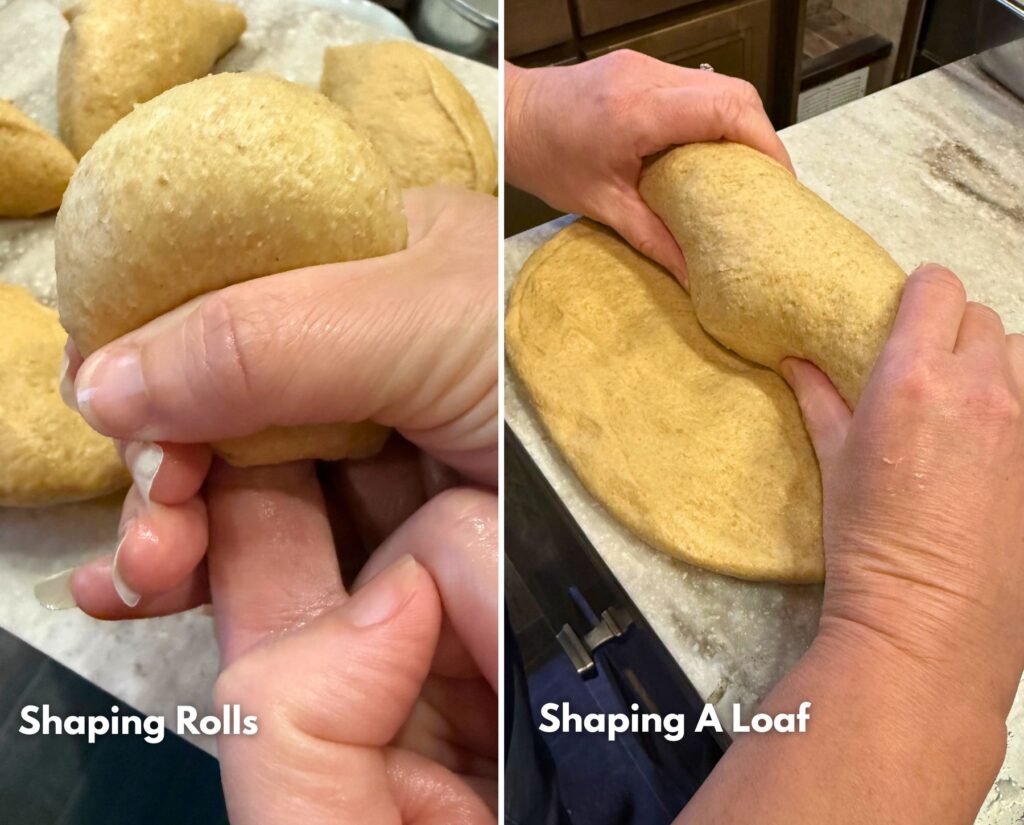
- Once the dough has doubled in size, place some olive oil on your counter, and hands. Then, divide the dough in half. This will make two large loaves, OR you can make one loaf and a batch of twelve rolls with the other half of the dough.
- Shape the dough into 2 bread loaves with some surface tension. I like to flatten each piece of dough, then fold two corners into make a triangle tip. Then, lightly pull (not so tight that it rips the dough) to create tension, and roll the triangle into the dough all the way up until it forms a loaf. You can pinch the ends together. After shaping, the top should have a tight tension on the top of the loaf, this helps with the rise also. *see video
- Put each shaped loaf into each prepared bread pan, cover, and then allow to rise a second time. 40-50 minutes. (*Tip- usually the second rise time is close to half the the first rise time.)
- During the end of the second rise, preheat the oven to 350*F.
- Once the loaves have risen, they should appear nice and puffy, then bake for 38-43 minutes. Check the center of the loaf to make sure they are done. The internal center of the loaf should be at 190*F for yeast breads.
- Once they have finished baking, remove from the oven, and carefully dump them out of the bread pans onto a cooling rack. I like to place mine on their sides as the cool.
- Once the loaves have cooled, you can slice and enjoy. If you slice into them while they are still hot, this can cause them to be crumbly the next day or gummy. So, try to resist cutting them while hot.
How To Store Fresh Milled Flour Brioche Bread Made With The Tangzhong Method
Fresh milled flour brioche bread made with the Tangzhong method will last a little longer on your counter than bread without using this method. However, we still love to allow the loaf to cool completely, then slice it and place it in a freezer safe container or bag. Freeze for up to 4 months. To thaw, just place however many slices you want on the counter to come to room temperature, usually about an hour or so.
Shop This Post
Shop Nutrimill/Bosch ($20 OFF Coupon Code: Grainy)
Grain Mill Harvest Nutrimill (Save $20 OFF with coupon code: GRAINY)
Walnut Harvest Grain Mill (Save $20 OFF with coupon code: GRAINY)
Bosch Universal (Black & Stainless) ($20 OFF Coupon Code: Grainy)
9×13 Stainless Steel Baking Pan With Lid
Grain Bin Sticker Labels (Save 10% OFF with Coupon Code- GRAINY)
Shop My Site Wheat Berries & Coupon Codes
Baja Gold Salt SAVE 10% OFF with Coupon Code: Grainy
Checkout Some Of My Other Recipes
Fresh Milled Flour Recipe Index

Fresh Milled Flour Brioche Bread Made With The Tangzhong Method Printable Recipe
Fresh Milled Flour Brioche Made With The Tangzhong Method
Ingredients
- 6&1/8 cup Fresh milled flour, divided 735g (Hard wheat for this. I use 615g hard white wheat and 120g of Kamut.) *See notes for alternatives
- 1 cup milk 250g can sub for water if needed
- 2/3 cup water 160g
- 8 TBSP softened butter, unsalted 113g 1 stick
- 4 TBSP Honey 84g can sub for sugar
- 2&1/2 tsp sea salt If using salted butter, decrease to 2&1/4 tsp salt
- 4 eggs 200g
- 1 TBSP lemon juice 15g
- 4 tsp instant yeast Use 4&1/2 tsp if using active dry yeast
Instructions
Make The Tangzhong Paste
- Firstly, mill the flour. I mill 735g total of wheat berries to get my fresh milled flour. But, this flour will be used in two different places in the recipe.
- So, let’s use part of the flour to make the paste.
- Put 1/2 cup of fresh milled flour (60g) and 1 cup milk (250g) into a sauce pan, stir to combine.
- Heat this mixture on medium-high heat until it forms a paste. This should only take about 3-5 minutes. Once it forms a paste, remove from the heat, and allow it to cool at room temperature.
- I like to add the butter to the paste to softened the butter, and also to help the paste to cool down a bit quicker.
Make The Dough
- While that mixture is cooling, put the water, honey, salt, eggs, and lemon juice into your mixer. (If you don’t have lemon juice, you can sub for vinegar. This helps the loaf to last on the counter a bit longer, and softens the loaf as well.)
- Mix these ingredients to incorporate. Then add in the paste mixture with butter after it has cooled a bit.
- Then, add the remaining flour into the mixing bowl, and mix to combine until no flour is left. Cover, and let this mixture sit for about 15 minutes. This is the autolyse period and it allows the fresh milled flour to absorb the liquid and the bran to soften. Because the yeast is not in the mixture yet, you can do this autolyse period for longer if you prefer.
- After the autloyse period, then put in the yeast, and mix to incorporate.
- Once the yeast is added, Start the kneading process. Make sure not to knead the dough with the cover on your mixer, this will overheat your dough, and cause it to break down.
- Knead until the dough is nice and stretchy. Typically, 6-8 minutes in a Bosch style mixer, 16-20 minutes in an Ankarsrum style mixer, or 25-30 minutes in a Kitchen aid mixer (allow extra time for a Kitchen Aid style mixer to have breaks in between kneading to prevent overheating of the mixer.) These kneading times will vary for everyone, this is just the most common times for these style of mixers.
- Once the dough is nice and stretchy, and doesn’t easily tear. Then, cover and allow it to rise until double. This can take somewhere between 1-2 hours. (Instant yeast or warmer rooms will be closer to 1 hour. Active dry yeast or cooler rooms will be closer to 2 hours.)
- While the dough is rising, prepare your bread pans with parchment paper, or grease them with softened butter.
Shape & Bake The Loaves
- Once the dough has doubled in size, place some olive oil on your counter, and hands. Then, divide the dough in half. This will make two large loaves, OR you can make one loaf and a batch of twelve rolls with the other half of the dough.
- Shape the dough into 2 bread loaves with some surface tension. I like to flatten each piece of dough, then fold two corners into make a triangle tip. Then, lightly pull (not so tight that it rips the dough) to create tension, and roll the triangle into the dough all the way up until it forms a loaf. You can pinch the ends together. After shaping, the top should have a tight tension on the top of the loaf, this helps with the rise also. *see video
- Put each shaped loaf into each prepared bread pan, cover, and then allow to rise a second time. 40-50 minutes. (*Tip- usually the second rise time is close to half the the first rise time.)
- During the end of the second rise, preheat the oven to 350*F.
- Once the loaves have risen, they should appear nice and puffy, then bake for 38-43 minutes. Check the center of the loaf to make sure they are done. The internal center of the loaf should be at 190*F for yeast breads.
- Once they have finished baking, remove from the oven, and carefully dump them out of the bread pans onto a cooling rack. I like to place mine on their sides as the cool.
- Once the loaves have cooled, you can slice and enjoy. If you slice into them while they are still hot, this can cause them to be crumbly the next day or gummy. So, try to resist cutting them while hot.
Video
Notes
*This post contains affiliate links, which means I make a small commission at no extra cost to you! Also, as an Amazon Associate I earn from qualifying purchases. But, I will only suggest items I actually Recommend!




Can I freeze the dough to bake on a later date?
Yes, you can let it rise once, then freeze. Make sure to let it thaw in the fridge the day before, then shape it the next day, and let it sit on the counter to come to room temperature. (usually about 1-2 hours) then bake.
I tried this recipe twice and loved it both times. First time I made it with hard white and some spelt flour, second time with hard white and kamut. Both times it turned out delicious. Second time I used buttermilk instead of milk for the paste and I loved it. The only thing that I do differently is that I add much less honey.Thank you so much for such a great recipe 😊
Awesome! Glad to hear you enjoyed it! Thanks! 🙂
I only have one 9×5 pan. How would I adjust the recipe for this size pan?
Delicious! Thanks. What adjustments would you recommend mend if I want it less sweet?
You can decrease the sugar/honey by half the amount.
I was wondering about using olive oil instead of butter? Also my FMF bread recipe has flax which I love for the nutrients and fiber. How would you add flax, decrease the flour or add more liquid? Love your videos and I bought your cookbook last year.
If you want to sub olive oil in place of the butter, I would recommend my normal Tangzhong sandwich loaf, this Brioche recipe is very similar, just double the butter and eggs. You can add in flax seeds, you may need to increase the liquid in the recipe if the dough seems stiff or dry at all from the flaxseeds. Here is the recipe for the standard Tangzhong bread- https://grainsinsmallplaces.net/tangzhong-method-fresh-milled-flour-bread/
How long would the rise take if using sourdough starter instead of yeast?
It depends on your starter, and how warm it is in your kitchen, but generally it takes about 3-4 hours for the first rise, and about half the amount of time as it takes from the first rise for the second rise.
I made this yesterday, the rolls turned out great! The bread tastes good but it kind of falls apart a little in center. Could that be from over proofing?
I would also like to know if I can make this with olive or avocado oil. If so is it 1:1 and how will it affect the final product?
Yes, over proofing can make the bread crumbly with a bit larger holes near the top or center of the loaf. Try shortening the second rise time. If you want to use oil, I would recommend my regular Tangzhong bread instead of this brioche bread, which is almost the same recipe just more eggs and butter for a buttery taste. Here is the Tangzhong bread I would recommend for oil. https://grainsinsmallplaces.net/tangzhong-method-fresh-milled-flour-bread/
My dough is gummy. I have a Bosch mixer and did the recommended time and it’s just gummy. I added a bit of water and let it sit after mixing it in. No change. Is it a lost cause? I did use all hard white because I don’t have kumut and used active dry yeast and used some of the pre-measured water for that.
Sounds like possibly the paste was too hot when added into the dough. That can degrade the gluten structure and make the dough gummy and not come together. Next time let the paste cool a bit more, and hold back some of the liquid from the recipe. Then only add the liquid in later if the dough seems stiff or dry.
Can you tell me how you baked your bread in the RV? Toaster oven or the camper oven? Thank you 😊
I actually have a whole video on baking in my countertop oven in the RV- https://youtu.be/JtDbnNtWX5A
This is the oven I use in it- https://amzn.to/41dKzcw #ad
Hi Kara, I’m so thankful for your blog and videos. You have been one of my main resources for successful fresh milled flour bread and baked products.
I’m wondering how I can make these as rolls then bake the next day. Refrigerate after shaping?
So thankful for you!
God bless!
Thank you so much! I appreciate that! Yes, you can make these, and before the second rise shape them and place covered in the fridge overnight. Then the next day set the pan on the counter to come to room temperature (usually 1-2 hours) then bake as directed.
How can I make this recipe so it’s structure holds up to spreading toppings?
Make sure it isn’t proofing too long, if it starts to over proof the second rise, the structure starts to break down. Also, make sure the dough is nice and stretchy, this ensures a strong gluten structure so it holds together well after baking.
this works so well and the bread turns out so soft and yet together. Question. I really like using the Kamut and was wondering if to this recipe I add more? Is there any other recipes for bread using just Kamut? Thank you. Hope you are enjoying your new home.
Yay! Glad it was a hit! With 100% Kamut, it will be slightly more dense, because Kamut has kind of a slack gluten, so it doesn’t hold itself up as well as hard wheat. I do have a 100% Kamut bread recipe if interested. https://grainsinsmallplaces.net/kamut-bread/
The Maple Bread was my favorite, but I think it’s been replaced with this. Oh, my, this is fantastic!
Both great choices! 🙂